Japandi vs Scandinavian Design vs Wabi-Sabi: Singapore Guide
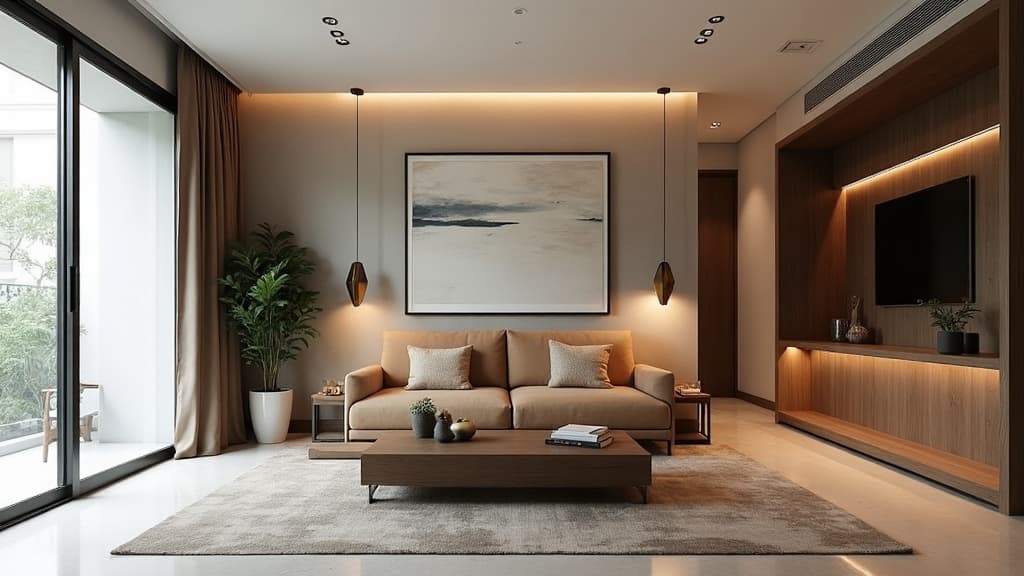
Japandi vs Scandinavian Design vs Wabi-Sabi
Japandi vs Scandinavian design comes down to one thing: Japandi adds Japanese restraint and wabi-sabi imperfection on top of the bright, functional Scandinavian base. Wabi-sabi, meanwhile, is not a furnishing style at all but the Japanese philosophy of finding beauty in imperfection that Japandi borrows from. This guide explains how the three relate and which suits a Singapore home.
Japandi vs Scandinavian vs Wabi-Sabi: The Quick Answer
- Scandinavian: bright, airy, cosy, functional. Born from dark Nordic winters.
- Japandi: calm, minimal, warm-neutral, grounded. A Japanese-Scandinavian hybrid.
- Wabi-sabi: a philosophy of imperfection and natural ageing, expressed through raw, textured, handmade interiors.
If Scandinavian is the cheerful, practical sibling and Japandi is the composed minimalist, wabi-sabi is the artist who loves a cracked, weathered bowl.
Three-Way Comparison Table
| Scandinavian | Japandi | Wabi-Sabi | |
|---|---|---|---|
| Origin | Nordic countries (Denmark, Sweden, Norway) | Japan + Scandinavia hybrid | Japanese philosophy / aesthetic |
| Palette | White, pale wood, bright pops of colour | Warm neutrals, oatmeal, charcoal accents | Earthy, muted, raw clay and stone tones |
| Materials | Light wood, wool, cotton, painted surfaces | Oak and ash, linen, rattan, ceramics | Aged wood, plaster, stone, handmade pottery |
| Vibe | Bright, cosy, friendly (hygge) | Serene, intentional, balanced | Imperfect, organic, contemplative |
| Best for | Brightening compact, darker flats | Calm, liveable everyday HDB and condo homes | Texture lovers wanting a curated, gallery feel |
Scandinavian Design Explained
Scandinavian design emerged in regions with short winter days, so it prioritises light. Think white walls, pale birch and beech, large windows, and bright textiles that lift the mood. Comfort, or hygge, is central, which is why Scandi rooms feel cosy rather than clinical.
In Singapore, a warm Scandinavian interpretation is popular because it keeps small rooms feeling open. For a full local treatment, see our guide to Scandinavian interior design in HDB flats and the Scandinavian style page.
Japandi Explained
Japandi takes the brightness and functionality of Scandinavian design and disciplines it with Japanese minimalism. The palette deepens, decor reduces, and natural imperfection is welcomed rather than hidden. The outcome is a quieter, more grounded room.
Because it balances warmth with restraint, japandi minimalist interiors are arguably the most adaptable of the three for daily life. If you want the full picture, read what Japandi is and how to achieve it and browse the Japandi style page.
Wabi-Sabi Explained
Wabi-sabi is older and more abstract. It is a worldview that values impermanence, simplicity, and the beauty of the imperfect: a hand-thrown bowl with an uneven rim, plaster walls with subtle variation, timber that shows its grain and age.
As an interior expression, wabi-sabi leans raw and textural. It rarely looks "finished" in the conventional sense, which is exactly the appeal. Explore it on the wabi-sabi style page.
Wabi-Sabi vs Japandi: The Key Distinction
This is the comparison people get most tangled in. The simplest way to hold it:
- Wabi-sabi is the principle of imperfection.
- Japandi is a complete style that uses that principle in moderation, alongside Scandinavian structure and comfort.
So in the wabi-sabi vs japandi debate, they are not really rivals. A japandi room contains a measured dose of wabi-sabi. A pure wabi-sabi room goes much further into raw, weathered, and asymmetric territory and is less concerned with cosiness or tidy function.
Scandinavian vs Japandi Interior Design: Side by Side
When choosing between scandinavian vs japandi interior design, weigh brightness against calm:
- Choose Scandinavian if your flat is dim, you love colour, and you want maximum cheer and cosiness.
- Choose Japandi if you want a serene, low-stimulation home with warmth but more restraint.
Warmth is the deciding factor for many. Scandinavian feels warmer in mood thanks to hygge layering, while japandi feels warmer in tone if you lean into oak and clay accents.
Which Style Is Best for a Small HDB Flat?
All three flatter compact Singapore homes, but for different reasons:
- Japandi combines space-saving minimalism with enough warmth to avoid sterility, making it the most forgiving all-rounder.
- Scandinavian maximises light, which is ideal for lower-floor or shaded units.
- Wabi-sabi rewards those willing to curate carefully; done poorly it can read as unfinished rather than intentional.
For room-specific inspiration across styles, the HDB living room design ideas post is a useful starting point.
Materials at a Glance
Materials are often the clearest tell of which style a room belongs to.
- Scandinavian: pale birch and beech, painted surfaces, wool, cotton, and the occasional pop of colour. Surfaces are clean and finished.
- Japandi: oak and ash, linen, rattan, and matte ceramics, grounded by darker accents. Finishes are natural and warm.
- Wabi-sabi: aged or reclaimed wood, lime plaster, stone, and hand-thrown pottery. Surfaces are deliberately imperfect and tactile.
If you find yourself drawn to glossy, painted, brightly accented pieces, you lean Scandinavian. If you prefer warm timber with restraint, you lean Japandi. If cracked glaze, raw plaster, and weathered timber excite you, wabi-sabi is calling.
Lighting and Mood
Lighting separates these styles as much as furniture does. Scandinavian interiors chase brightness, layering many warm light sources to push back the dark and reinforce hygge. Japandi uses softer, lower lighting to create a serene, almost meditative calm. Wabi-sabi leans into shadow and contrast, letting pools of light fall across textured surfaces to highlight their imperfection.
In Singapore, where daylight is abundant and harsh, all three benefit from warm 2700K to 3000K artificial lighting rather than cool white, which can make any of them feel clinical.
Blending the Three in One Home
You do not have to commit to a single style. The three sit on a spectrum and overlap comfortably:
- Start with a Japandi base for everyday liveability.
- Borrow Scandinavian brightness in darker rooms through paler walls and lighter wood.
- Add a few wabi-sabi pieces, such as a hand-thrown vase or a raw timber stool, for soul and texture.
This layered approach is how most well-resolved Singapore homes actually look, rather than a textbook version of any one style.
How to Choose Between Japandi, Scandinavian and Wabi-Sabi
Ask yourself three questions:
- Do I want bright and cosy, or calm and grounded? (Scandinavian vs Japandi)
- How much imperfection and raw texture do I enjoy? (More points toward wabi-sabi.)
- How much decor am I willing to live with day to day? (Less favours Japandi or wabi-sabi.)
There is no wrong answer, and the three blend comfortably. Many Singapore homes land on a warm japandi base with a few wabi-sabi pieces and a Scandinavian sense of light.
A Quick Style Quiz
If you are still undecided, this shortcut usually settles it. Picture your ideal Saturday morning at home:
- You want a bright, cheerful room full of light and a cosy throw on the sofa. That is Scandinavian.
- You want a quiet, ordered room that feels like a deep breath, warm but minimal. That is Japandi.
- You want a textured, atmospheric room with a weathered timber bench and a cracked ceramic bowl you love. That is wabi-sabi.
Most people lean clearly toward one description, and that instinct is a better guide than any rulebook.
Maintenance and Everyday Living
Practicality matters in a real home. Scandinavian interiors are generally the easiest to keep looking good because painted surfaces and simple shapes are forgiving and easy to clean. Japandi is similarly low-maintenance, though natural timber and linen reward a little care. Wabi-sabi is the most relaxed of all in one sense, since wear and patina are welcome, but its raw plaster and handmade pieces can be harder to source and repair in Singapore.
For busy households and rental-friendly updates, Scandinavian and Japandi tend to be the more forgiving choices, while wabi-sabi suits those who enjoy the slow, considered curation it demands.
See Each Style in Your Own Room
Rather than guessing, preview each look on your actual space. ElumiHome's AI redesign can render your room in Scandinavian, Japandi, or wabi-sabi styles, tuned for Singapore HDB and condo proportions and the tropical climate, so you can compare side by side before committing a dollar.
Frequently Asked Questions
- What is the difference between Japandi and Scandinavian design?
- Scandinavian design is light, airy, and functional, with white walls, pale wood, and bright accents born from long Nordic winters. Japandi keeps that functionality but adds Japanese restraint, darker grounding tones, and wabi-sabi imperfection. In short, Scandinavian is brighter and cosier, while Japandi is calmer, moodier, and more minimal.
- What is the difference between wabi-sabi and Japandi?
- Wabi-sabi is a Japanese philosophy that finds beauty in imperfection, age, and natural wear. Japandi is a full interior style that borrows wabi-sabi as one of its principles but blends it with Scandinavian comfort and structure. Wabi-sabi is the mindset; Japandi is the liveable, furnished result.
- Which style is best for a small HDB flat?
- All three work in small HDB flats, but Japandi is often the easiest because it combines space-saving minimalism with warmth that stops a compact room feeling stark. Scandinavian is a strong choice if you want maximum brightness, while wabi-sabi suits those who prefer raw, textured, gallery-like calm.
- Which is warmer, Japandi or Scandinavian?
- Scandinavian design typically feels warmer and cosier in mood because of its hygge roots, soft layering, and brighter palette. Japandi feels calmer and more grounded, using deeper accents and restraint. A warm-leaning japandi scheme, however, can close much of that gap.
See your home transformed in typically 1–2 minutes
Upload your room photo and get stunning AI redesigns with HDB prompt-based HDB planning guidance and indicative SGD renovation cost ranges.
Try 1 Room FreeNo credit card required